


DAILY UPDATES ON WELLNESS AND HEALTH • DAILY UPDATES ON WELLNESS AND HEALTH • DAILY UPDATES ON WELLNESS AND HEALTH • DAILY UPDATES ON WELLNESS AND HEALTH • DAILY UPDATES ON WELLNESS AND HEALTH • DAILY UPDATES ON WELLNESS AND HEALTH • DAILY UPDATES ON WELLNESS AND HEALTH • DAILY UPDATES ON WELLNESS AND HEALTH
By Michael Bennett, M.D.
🕒 2 minute read · Updated 3:10 PM EDT, Sat, December 13, 2025

For decades, tinnitus sufferers have been told the same lie: “There’s no cure. Learn to live with it.”
But what if that advice was dangerously wrong?
New research emerging from Harvard neuroscience labs suggests tinnitus doesn’t originate in damaged ears — but from a hidden disruption inside the brain’s auditory control network. When this network malfunctions, the brain literally creates sound that isn’t there.
That’s why white noise machines, hearing aids, and prescription drugs fail again and again. They chase the symptom — not the source.
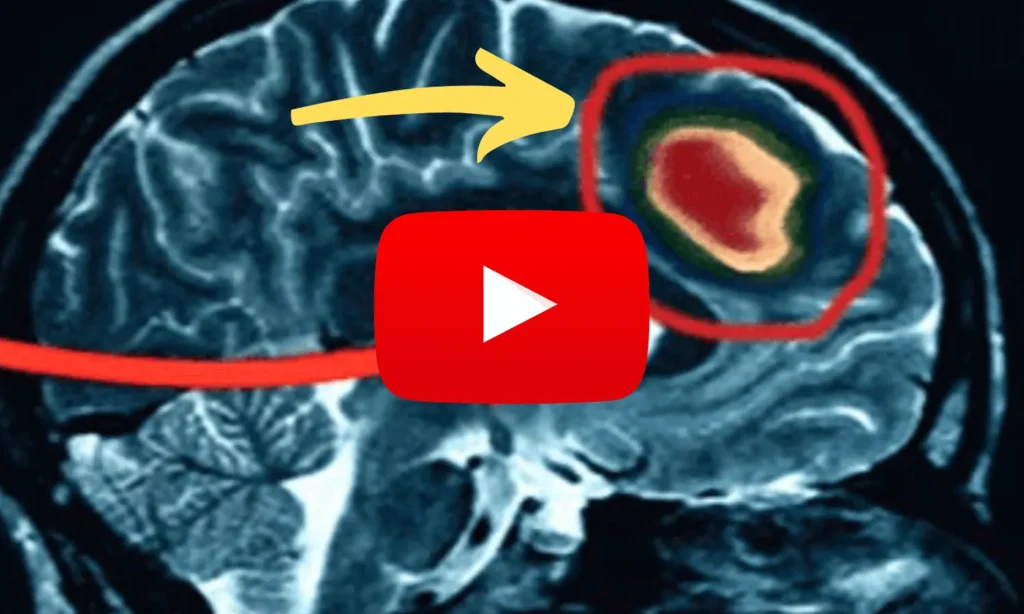
What stunned researchers was this: advanced brain imaging uncovered a specific neurological “switch” responsible for the ringing sensation. And when this switch is calmed, the noise rapidly fades.
Even more surprising?
Researchers discovered a simple, at-home nightly habit that helps quiet this overactive brain center — no pills, no surgery, no medical appointments.

This brain scan image reveals the exact region now believed to hijack the auditory system and trap sufferers in endless ringing.

In a brief presentation, Harvard researchers explain how gently retraining this brain region for just two minutes each night may help restore silence, deepen sleep, and bring lasting relief — naturally.

The reason you’ve never heard of this approach has nothing to do with effectiveness — and everything to do with how the medical industry treats tinnitus.

552 Comments
Profile
Henry Sullivan
Watched the video and tried the simple step — my ringing dropped from a 9/10 to around a 2. First night of real sleep in months.
3 m • Like • Reply

Profile
Jessica Allen
IBeen dealing with hissing for years. The way they explain the “alarm loop” finally made sense — volume’s already lower at night.
11 m • Like • Reply

Profile
Michael Andrews
I turned the TV captions off for the first time in ages. Not silent yet, but way calmer.
13 m • Like • Reply